
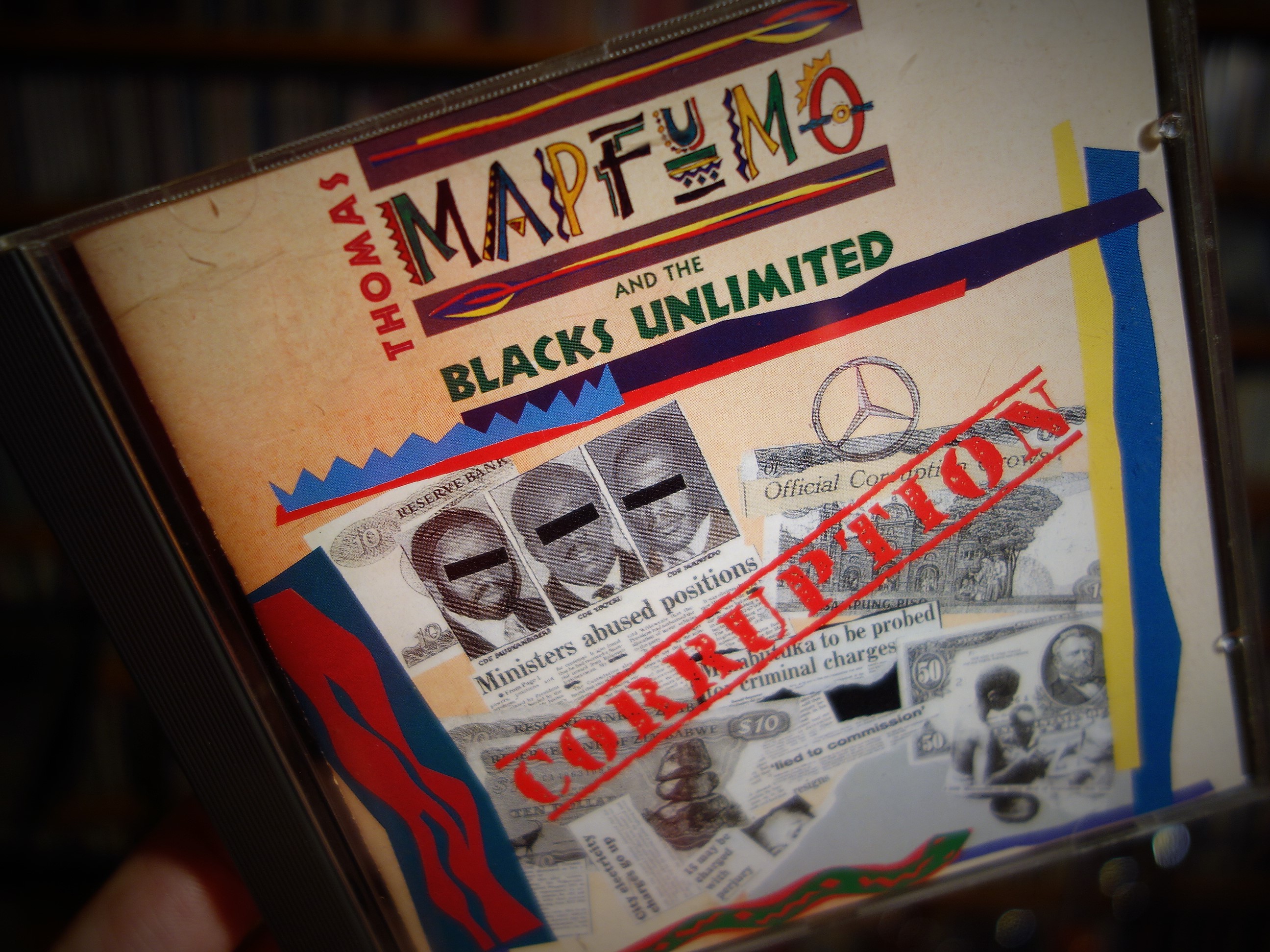
ムガベ大統領の名を知ることになったのは1990年代、トマス・マプフーモの“Corruption”というアルバムを聴いたのがきっかけだ。邦題は「政治腐敗」となろうか。発足後間もないムガベ政権の独裁制を批判している内容と雑誌レコードコレクターズが紹介していたと記憶している。あれから既に30年弱、政権は未だに継続している。
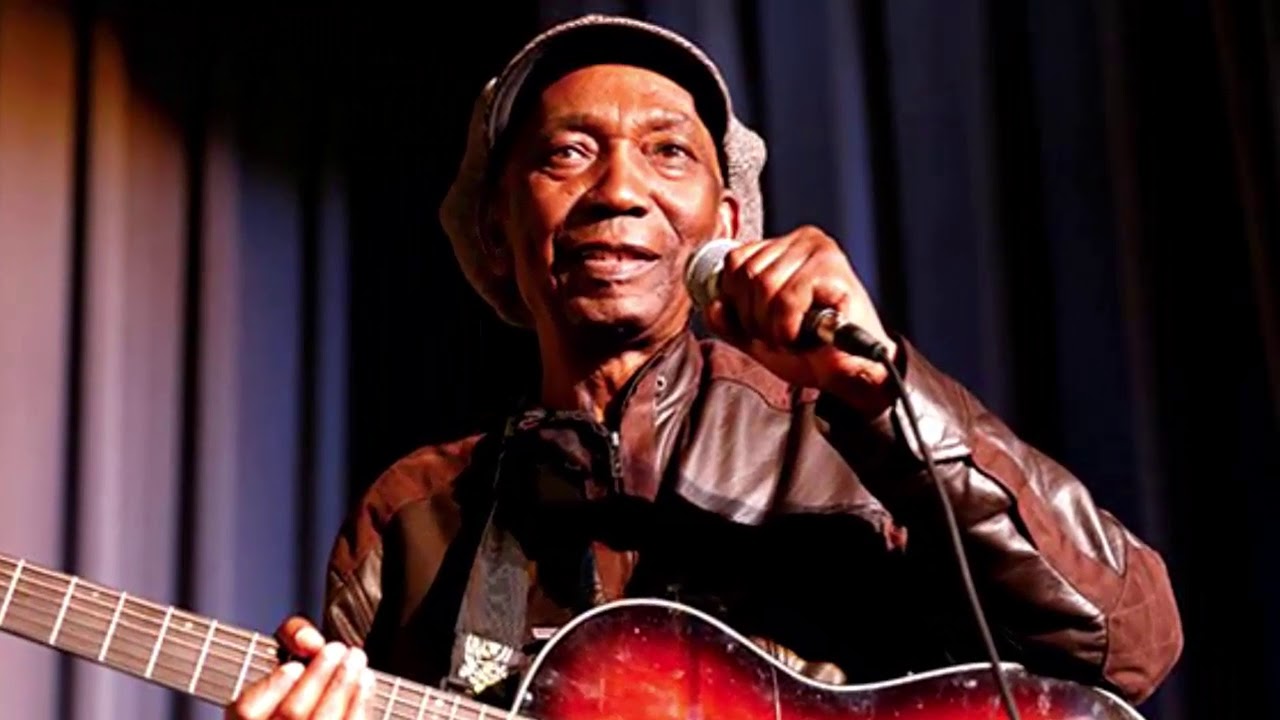
ジンバブエは19世紀からローデシアとして英国植民地下に置かれ1960年代にアフリカ・ナショナリズムの機運が高まると、独立運動が台頭した。70年代以降独立運動を後押しするチムレンガ・ミュージック=闘争音楽の旗手としてトマス・マプフーモが支持され、ローデシアへの反発を歌で表現し民衆を鼓舞してきた。ローデシア政府とソ連・中国の支援する反政府勢力との間の「ローデシア紛争」の末、80年にジンバブエが独立を勝ち取ると、マプフーモは「ジンバブエのライオン」と称えられた。ジンバブエの独立は反ローデシアの政治家として急先鋒だったロバート・ムガベにとっても悲願だったはずだが、一度権力を掌中(首相→大統領)に収めると、強権的な政治で私腹を肥やし多くの国民の不信を買った。マプフーモのチムレンガ(闘争)は、祖国が独立を果たした後も静まる事はなく、闘争の矛先はかつての反人種差別運動の盟友、ムガベ大統領の堕落に向けられ、批判し続けた事により、弾圧を受け国を追われた。72歳になった今もマプフーモはアメリカで音楽活動を続け祖国を案じて、現政権の批判を続けている。
40年弱という長期独裁を続けてきたムガベ大統領だが、ムガべ無しにジンバブエ独立は語れず(1980年独立戦争を仕掛け英国ローデシアから解放)、ムガべ無しにジンバブエ発展(1980年台白人との融和政策によりアフリカ南部の優等国に・大陸最高の識字率)は語れず、ムガべ無しにジンバブエ崩壊(2002年白人弾圧・過度の黒人重視政策による世界からの不振・経済破綻)は語れないとされる。
日本のODAの一環で招聘されたジンバブエを含むサハラ砂漠以南のアフリカの国の公務員と仕事でよく一緒になる。彼らが「アフリカの最大の問題は教育不足でも技術力不足でもなく汚職まみれの政治家が多すぎることだ」とまま口にすることを思い出す。表出したムガベ大統領のような問題は形を変えて多く存在するのだろう。
NPRの音楽番組(2015年)でマプフーモの自伝を書いた作家Banning Eyreのインタビューが紹介されていた。アルバムCorruptionについても触れているので、以下に原文を抜粋し掲載する。
Thomas Mapfumo, Zimbabwe’s Cultural Advocate In Exile
ROBERT SIEGEL, HOST:
As Bob Marley is to Jamaicans or Fela Kuti is to Nigerians, Thomas Mapfumo is to Zimbabweans.
(SOUNDBITE OF SONG, “SNAKES IN THE FOREST”)
THOMAS MAPFUMO: (Singing in foreign language).
SIEGEL: The singer and bandleader is a superstar in his home country, both for his masterful blending of traditional sounds and world music and for his powerful political messages. Mapfumo has spent a career moving people on the dance floor and in their views. He has been a critic, first of the colonial government of what was then Southern Rhodesia, and now of the corrupt dictatorship that rules Zimbabwe.
Banning Eyre, whom you hear on this program as our reviewer of world music, has written a biography of Thomas Mapfumo and he’s also compiled an album of his music, and he joins me now in the studio.
Good to see you.
BANNING EYRE, BYLINE: Thanks. Great to be here.
SIEGEL: First, tell us about Thomas Mapfumo. Who is he?
EYRE: Well, he is, as you say, a singer and a bandleader. But also a kind of an activist, a social critic who has kept in his heart the interests of poor people and rural people and people who become the victims of governments, whether it’s the white racist Rhodesian regime or, as you say, the corrupt regime of Robert Mugabe. He’s a politician in the sense that he has really moved the politics of the country forward. But really in a deeper level, he’s an advocate of culture.
省略
SIEGEL: “Corruption” means the corruption of Robert Mugabe and his regime.
EYRE: It does, and it was a real turning point when Thomas sang this because of course, he had been a hero of this struggle and held up as a cultural icon and valued very much by people who were in power in Mugabe’s regime. And Thomas sort of bravely came forward and sang this song about corruption. It was talking about corruption generally, but he very poignantly says eight years of freedom, which means that he’s talking about, we’ve had this wonderful liberation and freedom for eight years and look what we’re looking at – this culture of something for something, nothing for nothing.
(SOUNDBITE OF SONG, “CORRUPTION”)
MAPFUMO: (Singing) Nothing for nothing. Something for something. Nothing for nothing. Corruption, corruption. Corruption in the society.
SIEGEL: What’s the significance of this lyric being in English, as opposed to most of these songs?
EYRE: Well, it speaks to the world. And it’s also not a traditional song. It’s got a little bit of reggae, a little bit of R and B. It’s very much his own creation. But he’s really saying to the world, we are descending into corruption here and we’re not going to hide it. We’re going to be right out there and say we’re becoming corrupt. We’re losing our way.
So it makes the message louder. It makes it more audible to the larger world.
(SOUNDBITE OF SONG, “CORRUPTION”)
MAPFUMO: (Singing) You can’t run away from justice, (unintelligible) of freedom.
EYRE: And then this situation unfolds over the next 10 years. As the economy gets worse, less and less is done about addressing the problems of health, education, land redistribution. This leads to a situation by the end of the ’90s where war veterans are up in arms and Mugabe basically allows them – enables them to start as vigilante mobs, seizing farms, seizing white farms, and then giving them to political insiders who can’t really use them. And Thomas sang one of his most inflammatory songs at this point, in 2001, when he sang the song “Marima Nzara,” which means, you have harvested hunger.
以下省略
 In the forest
コメントを残す