
米国のR&B歌手ティミー・トマスが11日に亡くなったとのこと。享年77歳。マイアミTKレコード界隈の活躍が知られているが、本人はインディアナ州の出身らしい。

ウクライナ侵攻から約3週間、何度かこの人のヒット曲Why can’t we live togetherが頭をかすめた。
Tell me why, tell me why, tell me why
Why can’t we live together
Tell me why, tell me why
Why can’t we live together
なぜ なぜ なぜだ
なぜ共に生きられない?
なぜ なぜ
なぜ共に生きられない?
Everybody wants to live together
Why can’t we live together
共に生きたいのに
なぜできないんだ
No more wars, no more wars, no more war
Just a little peace in this world
No more wars, no more war
All we want is some peace in this world
戦争はもうたくさん
この世に少しでも平和を
戦争はもういやだ
欲しいのはこの世の平和
Everybody wants to live together
Why can’t we live together
みんな共に生きたいのに
なぜ共に生きられない?
Gotta live, gotta live
Gotta live together
Gotta live together
共に生きなくては
共に生きなくては
No matter, no matter what color
You are still my brother
I said no matter, no matter what color
You are still my brother
肌の色は関係ない
あなたは私の兄弟だ
肌の色が何色だろうとも
あなたは私の兄弟だ
Everybody wants to live together
Why can’t we live together
みんな共に生きたいのに
なぜ共に生きられない?
1972年に発表された本作のメッセージはベトナム戦争に向けられていたが、戦争全般に対してのメッセージとしても受け取れる。安っぽいリズムボックスのドラムビートにハモンドオルガンが被せられ、トマスの悲しげな歌声が聞こえてくる。本作がビルボードPOPSチャート3位、R&Bチャート1位という記録が示唆するように、反戦歌として広く米国社会に受け入れられた。米国のアフガン侵攻、シリアの内戦、ミャンマーのクーデター、ルワンダの虐殺など理不尽な争いの報道を目にするたびに、この曲を想う。
2015年に英国の音楽雑誌SPINでトマスがこの曲の着想について、インタビューに答えている。
(インタビュアー)
Can you talk a little bit about the moment that inspired the original “Why Can’t We Live Together”? Were you reading the news, something in your own life?
Why Can’t We Live Togetherの原曲がの着想について、少しお話しいただけますか?ニュースを読んだり、ご自身の生活の中で何かあったのでしょうか?
(以下、トマス)
I can look back and I can see it vividly, what just happened. I had just moved to Miami. And I’ll never forget, I was sitting in the study, because I was getting ready to teach school, higher education… I was sitting in my study, and I heard Walter Cronkite. I’ll never forget this. He said, “35,000 Viet Cong died today, 15,000 Americans.” I said “WHAT?! You mean that many mothers’ children died today? In a war that we can’t come to the table and sit down and talk about this, without so many families losing their loved ones?” I said, “Why can’t we live together?”
振り返ってみると、何が起きたか鮮明おぼえているのです。私はマイアミに引っ越したばかりで、忘れもしません、大学でで教える準備をしていました。私は書斎に座っていて、ウォルター・クロンカイト(当時の看板ニュースアンカー)の声を聞いたのです。彼は言いました 「今日3万5千人のベトコンが死にました。 1万5千人のアメリカ人が死にました」と。 これは絶対に忘れられません。私は 「なんてこった!」と叫びました。 「多くの子供が今日死んだ?テーブルに着くたび、愛する人を失った多くの家族のことについててしか話すことがない、あの戦争で?」 私は、「なぜ私たちは一緒に生きることができないのか?」と言いました。
Bing! That light went off. And I started writing it then. “No more wars, we want peace in this world, and no matter what color, you’re still my brother.” And then after that, put it on this little tape, and went to WEBF, which was a local radio station. And they played local artists then… they played it, and the phones lit up. They said “Man, who is that?” And I did it as a one-man band! That was my foot playing bass, that was my left-hand playing guitar… Could never believe that as a one-man band, something like that would’ve been played that much. But I do believe that the world was ready to start changing a little bit. And that song made the change.
ビンゴ!その瞬間、明かりが灯りました。そして、その瞬間から書き始めたんです。「もう戦争はイヤだ!この世界に平和を!どんな色をしていても、君は僕の兄弟だ」それを小さなテープレコーダーで録音して地元のラジオ局 WEBFに持ち込みました。そのラジオ局は地元アーティストの曲を流していたんだけど、私の曲を放送したとたんに電話が鳴りやまなくなった。「あの歌を歌っているのは誰だ?」ととね。私は「これはワンマンバンドです。足でベースを弾いて、左手でギターを弾いて……」ワンマンバンドで、あんな演奏されるなんて信じられないというような反響がありました。でも、世の中が少しづつ変わっていく兆しがあったと思います。そして、あの曲はその変化をもたらしました。
[I was] going to South Africa, right in the midst of Apartheid, when the races were not together. I went alone, and I went to a place called Soweto, which is right out of Johannesburg. I wasn’t the first black person to perform there, I was the first American. Whether red, yellow, black, or white. And it was something to see, when you had the mayor of the city, who was black, saying, “Timmy, we have to leave.” And I said “Why?” “It’s 9:00. We have to be off the streets after 9:00 in Johannesburg, we have to go home.” In my era, I came up through the Civil Rights movement, with Dr. King. But there were no laws like that.
「(私は)アパルトヘイトの真っ只中、人種差別が激しく残る南アフリカに行きました。一人で行って、ヨハネスブルグの近郊ソウェトというところでパフォーマンスしました。私が初めての黒人ミュージシャンではありませんでしたが、赤でも黄でも黒でも白でもアメリカ人として演奏したのは私が初めてでした。突然、黒人の市長が「ティミー、ここを出なければならない」と言ってきました。私は「なぜ?」と聞き返しました。「もう9時だ。ヨハネスブルグでは9時以降は(黒人は危害が加えられるから)路上に出ては危険だ、家に帰るんだ」と言ったんです。米国ではキング牧師が公民権運動を盛り立てていた時代でした。当然、(黒人が昼間通りを歩けないような)法律はなかった。
I was there for the voting in ‘93, ‘94, when Dr. Mandela was elected president. I played on the television, my song was the theme for the whole thing. I couldn’t believe it, man, that one song got me to go and play in 38 countries, all over the nation, all 50 states.
93年、94年にマンデラ博士が大統領になったとき、私は投票に立ち会いました。テレビで私の歌を流し、それが(南アで最初の黒人大統領誕生の)全体のテーマとなりました。この一曲のおかげで、世界38カ国、全米、全米50州で演奏できました。今でも信じられないようなことです。
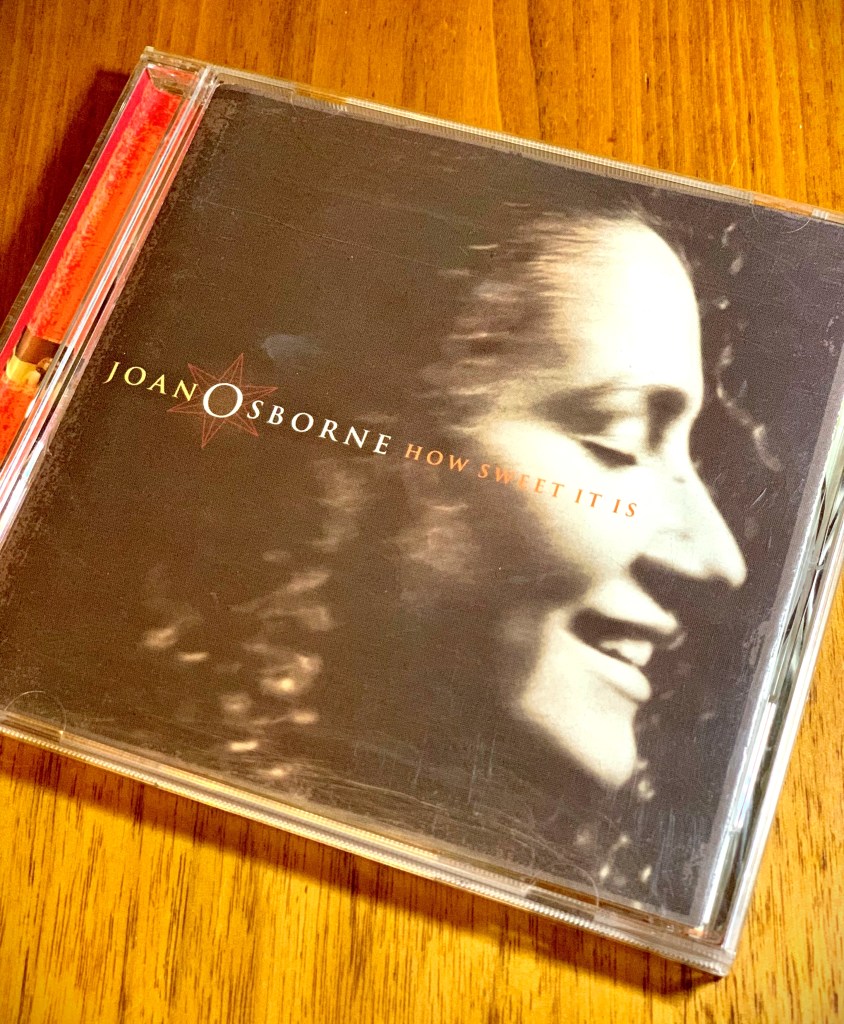
本作はシャデー、スティーブ・ウィンウッド、ジョーン・オズボーンらにカバーされているが、オズボーンのものが秀逸。貼っておきます。
 In the forest
コメントを残す